




It can. Whether tinnitus goes away depends on its cause and how long it has lasted. Ringing after a loud concert may go away after a few hours, and tinnitus from a treatable cause, such as earwax or an ear infection, can improve once that cause is treated.[1][2] Tinnitus may also improve on its own, especially when it is mild and has lasted for less than six months.[3] Tinnitus that lasts six months or longer is less likely to go away by itself, but for many people it becomes easier to live with over time.[4][5]
Here is what to expect in the most common situations, and when not to wait.
How long does tinnitus last after loud noise?
Usually a few hours to a few days. Ringing in your ears after a loud concert may go away after a few hours.[1] The 2014 AAO-HNSF tinnitus guideline says tinnitus brought on by loud noise will likely resolve within a few days.[6]
Fading ringing doesn't always mean your ears escaped harm. Repeated episodes of noise exposure increase the likelihood that the tinnitus will become permanent.[6] If a night out leaves your ears ringing, treat it as a warning and protect your ears next time. For practical ways to do that, see Top 10 Tinnitus Management Tips.
Can tinnitus go away when the cause is treated?
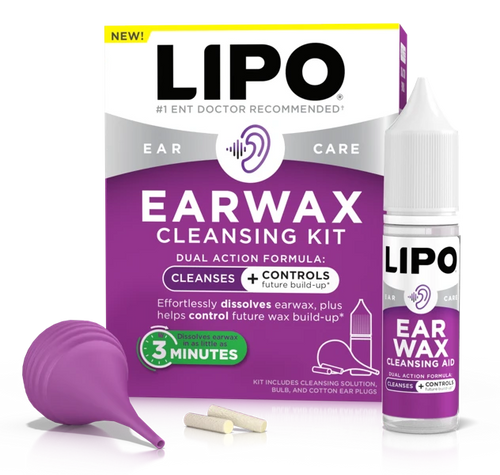
Yes, in many cases. Your doctor may find a treatable condition that is causing tinnitus. For example, earwax that is blocking the ear canal can be removed, and fluid behind the eardrum can be treated.[3] Addressing the cause can greatly reduce symptoms or make them go away.[2] For more on earwax, see the earwax and ear ringing connection.
Medications are another common cause. Tinnitus from a medication is usually temporary, typically lasting one to two weeks after the medication is stopped, but it can be permanent with some drugs, such as certain antibiotics and cancer treatments.[6] Never stop taking a medication without talking to your doctor first. For the full list of causes, see What Causes Tinnitus?
Does tinnitus lasting six months mean it's permanent?
Not necessarily. Doctors usually call tinnitus persistent once it has lasted six months or longer.[4][5] That label describes how long tinnitus has lasted. It doesn't predict what will happen for any one person. Tinnitus that persists longer than six months is less likely to resolve spontaneously, but it isn't ruled out.[5] Not every source uses the same cutoff, though. The NIDCD describes tinnitus that lasts three months or longer as chronic, and the 2026 guideline lists clear criteria for short-term versus long-term tinnitus as a question research still needs to answer.[2][4]
Hearing loss matters too. Tinnitus may be a permanent issue if you have hearing loss.[1] In a study that followed adults aged 49 and older for five years, about 4 in 5 people who had tinnitus at the start still reported it at the five-year check.[7] That means tinnitus was present at both visits. It doesn't show that it never let up in between, or that it was permanent. Resolution is more likely in younger people and in those whose tinnitus started more recently.[5]
Does tinnitus get easier to live with?
For many people, yes, even when the sound itself doesn't go away. A systematic review in The Laryngoscope found that people enrolled in the no-treatment arms of tinnitus studies still reported small but measurable improvement over time.[8] The researchers noted that how much that improvement matters, and how it applies to any one person, is uncertain.[8]
Many people also get used to tinnitus.[9] This is called habituation: the brain gradually learns to treat the sound as unimportant, so you notice it less and it bothers you less. Counseling can help. Behavioral treatments aim to help you change the way you think and feel about your symptoms, and over time, your tinnitus may bother you less.[9] The 2026 guideline recommends cognitive behavioral therapy (CBT) for persistent, bothersome tinnitus.[4] For more on treatment options, see Is There a Medication for Tinnitus?
Can tinnitus come back after it goes away?
Yes. Ringing that fades after a loud event can return with the next one, and repeated episodes of noise exposure increase the likelihood that the tinnitus will become permanent.[6] Tinnitus that has settled can also seem louder for a while during stressful periods, after a cold or ear infection, or when you're short on sleep. Protecting your hearing is the best way to lower the chance of tinnitus coming back or getting worse.
What can you do while you wait?
A few steps can make tinnitus less disruptive while it settles, and help keep it from getting worse:
- Protect your hearing. Keep earplugs handy and use them before noise begins. More noise exposure raises the chance that tinnitus will stay.[6]
- Add background sound. A fan, soft music or a sound machine can make the ringing less noticeable, especially at night. See our guide to sleep and sound.
- Manage stress. Tinnitus often feels worse during stressful periods. See Are You Making Your Ear Ringing Worse? 5 Tinnitus Tips to Help.
When should you see a doctor about tinnitus?

Don't wait for tinnitus to go away on its own if it comes with warning signs. Seek prompt medical evaluation if your tinnitus started suddenly, affects only one ear, pulses in rhythm with your heartbeat, or comes with hearing loss, dizziness, ear pain, or drainage.
Sudden hearing loss is the most urgent of these. It is often accompanied by tinnitus, and clinicians may offer steroid treatment within two weeks of when it started, so see a doctor right away.[10]
If ringing after a loud event hasn't faded after a few days, or any tinnitus is affecting your sleep, mood or concentration, talk to your doctor or a hearing professional. A hearing test is a good place to start.
Frequently Asked Questions
Does tinnitus go away on its own?
How long does tinnitus last after a concert?
Can tinnitus go away after years?
How do you know if tinnitus is permanent?
There is no single test. Doctors generally call tinnitus persistent once it has lasted six months or longer, but that label doesn't predict any one person's outcome.[4] A hearing evaluation can show whether hearing loss is involved and help your doctor look for a cause that can be treated.
Can tinnitus come and go?
Yes. Some people hear tinnitus all the time and others only now and then. Tinnitus can also seem louder in quiet rooms, at night or during stressful periods, and fade into the background at other times.
When should I worry about tinnitus?
Seek prompt medical evaluation if your tinnitus started suddenly, affects only one ear, pulses in rhythm with your heartbeat, or comes with hearing loss, dizziness, ear pain, or drainage. Sudden hearing loss should be checked right away.[10]
References
- Cleveland Clinic. Tinnitus. View source.
- National Institute on Deafness and Other Communication Disorders. Tinnitus. View source.
- American Academy of Otolaryngology-Head and Neck Surgery Foundation. Plain Language Summary: Tinnitus. View source.
- Adams ME, Cramer JD, Tunkel DE, et al. Clinical Practice Guideline: Tinnitus Update. Otolaryngology-Head and Neck Surgery. 2026. View source.
- Dalrymple SN, Lewis SH, Philman S. Tinnitus: Diagnosis and Management. American Family Physician. 2021. View source.
- Tunkel DE, Bauer CA, Sun GH, et al. Clinical Practice Guideline: Tinnitus. Otolaryngology-Head and Neck Surgery. 2014. View source.
- Gopinath B, McMahon CM, Rochtchina E, Karpa MJ, Mitchell P. Incidence, persistence, and progression of tinnitus symptoms in older adults: the Blue Mountains Hearing Study. Ear and Hearing. 2010. View source.
- Phillips JS, McFerran DJ, Hall DA, Hoare DJ. The natural history of subjective tinnitus in adults: a systematic review and meta-analysis of no-intervention periods in controlled trials. The Laryngoscope. 2018. View source.
- Mayo Clinic. Tinnitus: Diagnosis and treatment. View source.
- Chandrasekhar SS, Tsai Do BS, Schwartz SR, et al. Clinical Practice Guideline: Sudden Hearing Loss (Update). Otolaryngology-Head and Neck Surgery. 2019. View source.
These statements have not been evaluated by the Food and Drug Administration. This product is not intended to diagnose, treat, cure, or prevent any disease.
Explore LIPO's ear health products or learn more about managing tinnitus below.


